 FortuneBack
How do you read a credit card statement?
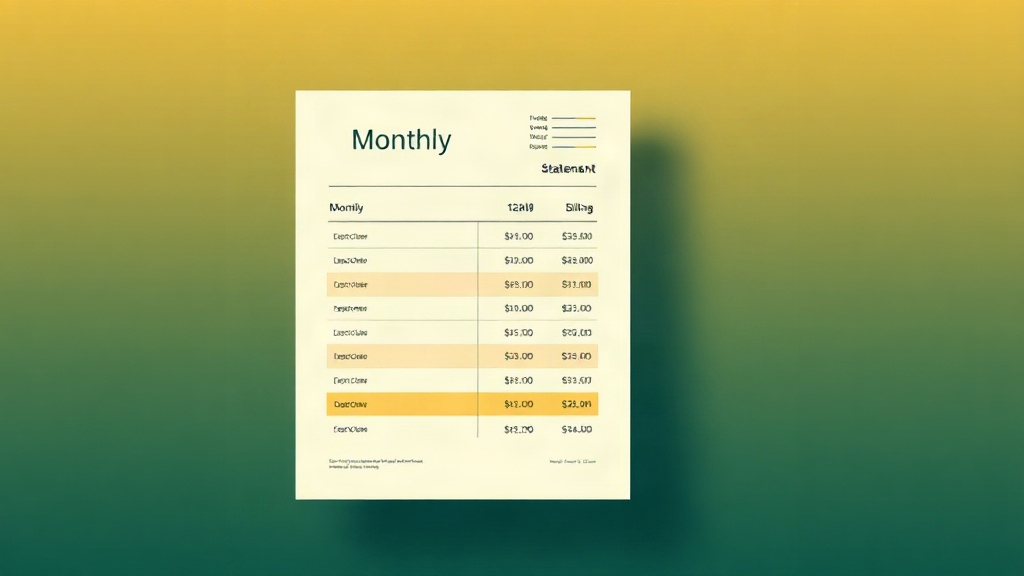
The balance and the minimum payment
The statement balance is what you owe as of the statement date. The minimum payment is the smallest amount the lender requires this cycle. Paying only the minimum keeps the account current but usually means interest continues to build on the rest.
Reading these two lines together shows the gap between staying current and actually reducing what you owe.
Interest, fees and the due date
Statements show any interest charged, any fees, and the payment due date. Missing the due date can lead to a late fee and other consequences, so the date is one of the most important items to note.
Exact rates and fees are set in your own agreement and can change, so rely on your current statement rather than general figures.
Transactions and anything unfamiliar
The transactions list every charge in the cycle. Scanning it helps you catch mistakes or unfamiliar charges early. If something looks wrong, contacting the card issuer promptly is the usual first step.
Common questions
What happens if I only pay the minimum?
Why is my balance higher than my spending?
This article is general educational information about money management. It is not financial, investment, tax or legal advice, and it is not a recommendation of any product. Rates, terms, fees and rules vary by provider, product and country, and can change; confirm the specifics for your own situation, and where needed, with a qualified professional.
← All money guides